THE VITAL ROLE OF FREELANCING IN TODAY'S ECONOMY
Written by Salamat Ali | 07 Apr 2026
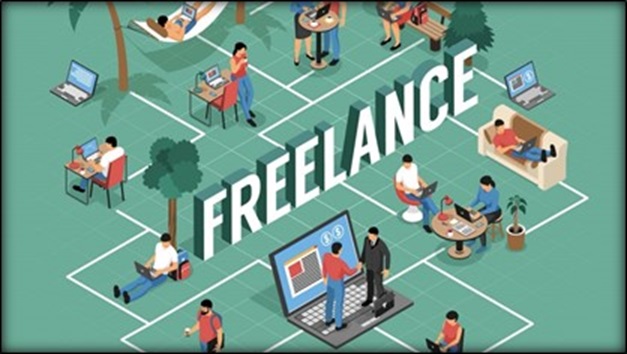
Freelancing has experienced a significant surge in popularity, transforming from a niche career path to a widely accepted employment option. As the traditional job landscape evolves, the role of freelancing becomes increasingly important, providing numerous advantages for both individuals and businesses. This article delves into the significance of freelancing and its impact on the contemporary economy.
1. Flexibility and Independence
• For Freelancers: One of the foremost benefits of freelancing is the flexibility it offers. Freelancers have the liberty to set their own working hours, choose their work locations, and select projects that interest them. This flexibility facilitates a healthier work-life balance, allowing individuals to engage in personal interests, spend more time with family, or travel while maintaining their careers.
• For Businesses: Companies benefit from the flexibility of hiring freelancers, enabling them to adjust their workforce according to project demands. This approach allows businesses to engage specialized talent for specific tasks without the need for long-term employment commitments, making it ideal for short-term projects or varying workloads.
2. Global Talent Access
• For Freelancers: The internet has eliminated geographical constraints, allowing freelancers to offer their services to clients globally. This broader reach increases their potential client base, presenting more opportunities and the potential for higher earnings.
• For Businesses: Companies can access a global pool of talent, bringing in skills and expertise that may not be locally available. This is especially beneficial for specialized projects where finding the right talent is crucial.
3. Cost Savings
• For Freelancers: Freelancers can often charge higher hourly rates than traditional employees due to their specialized skills and project-based work. Additionally, they can save on costs related to commuting, professional attire, and other expenses associated with conventional office jobs.
• For Businesses: Employing freelancers can be more economical for companies. Without the need for long-term contracts, benefits packages, or office space, businesses can significantly reduce overhead costs. This financial flexibility allows for better resource allocation and investment in other growth areas.
4. Varied Experience and Innovation
• For Freelancers: Working on diverse projects across different industries helps freelancers expand their skill sets and knowledge base. This varied experience fosters innovation and creativity, as freelancers bring unique perspectives to each new project.
• For Businesses: By collaborating with freelancers who have diverse backgrounds and experiences, businesses can benefit from innovative ideas and approaches. This diversity can enhance problem-solving and strategy development, driving business success.
5. Adaptability and Resilience
• For Freelancers: Freelancing requires individuals to b
Advertisement
You Can Advertise Here...
